
Key Takeaways
- Zinc ingots are refined blocks of pure zinc metal, cast into standard shapes after smelting or secondary recovery from industrial waste. They are the primary raw material for galvanizing, die casting, brass manufacturing, and zinc oxide production.
- Purity grade is the most important specification when buying zinc ingots. The four main grades SHG (99.99%), HG (99.95%), CGG (continuous galvanizing grade), and PWG (98.5%) are not interchangeable. Using the wrong grade in a galvanizing bath contaminates the melt and affects coating adhesion.
- More than 50% of all zinc ingots produced globally go into galvanizing the process that protects steel from corrosion. If you’ve seen a galvanized roof sheet, a highway crash barrier, or a transmission tower, zinc ingots made that protection possible.
- India is the world’s fourth largest zinc consumer, with domestic demand driven by construction, automotive, and infrastructure sectors. Hindustan Zinc accounts for most of India’s primary zinc output, but secondary zinc recovered from EAF furnace dust is a growing domestic supply source.
- IS 209 is the BIS standard governing zinc ingot grades in India. Most buyers don’t know this standard exists. Specifying it on your purchase order ensures the material you receive is graded and tested to a defined Indian benchmark.
Zinc ingots are refined blocks of pure zinc metal, cast into standard shapes after smelting or secondary recovery from industrial waste. They are the primary input for galvanizing (which protects steel from corrosion), die casting, brass manufacturing, zinc oxide production, and battery anodes. Purity ranges from 98.5% (Prime Western Grade) to 99.99% (Special High Grade).
That’s the 55-word definition Google wants to pull for a featured snippet. Here’s what the definition doesn’t tell you and what buyers, fabricators, and procurement managers actually need to know before they source zinc ingots.
Physical Properties of Zinc Ingots
Before getting into grades and applications, here’s what zinc actually is as a material. These numbers matter when you’re specifying a product or evaluating a material data sheet.
| Property | Value |
| Chemical symbol | Zn |
| Atomic number | 30 |
| Melting point | 419.5°C (787.1°F) |
| Boiling point | 907°C (1,665°F) |
| Density | 7.14 g/cm³ |
| Colour | Bluish-white (freshly cut); grey patina on exposure |
| Hardness | 2.5 Mohs |
| Electrical conductivity | Moderate — 16.6 × 10⁶ S/m |
| Standard ingot weight | 20–25 kg per piece (most common in India) |
| Purity range (commercial grades) | 98.5% to 99.99% |
The melting point is the number that matters most operationally. At 419.5°C, zinc melts well below steel (~1,370°C) and aluminium (~660°C), which is precisely what makes it practical for hot-dip galvanizing you can hold molten zinc in a steel bath without melting the bath itself.
At room temperature, pure zinc is brittle. You can’t bend it without it cracking. Between 100°C and 150°C, it becomes malleable you can roll it into sheets. Above 200°C, it becomes brittle again. This unusual ductility curve is why zinc sheet manufacturing requires careful temperature control at the rolling stage.
Zinc Ingot Grades The Specification That Decides Everything
This is where most generic articles about zinc ingots fall short. They’ll tell you zinc ingots are used for galvanizing without explaining that the grade of zinc you use changes the quality of your galvanized coating.
There are four commercial grades of zinc ingots in wide use. They’re not interchangeable.
| Grade | Full Name | Minimum Zinc Purity | Primary Use Case |
| SHG | Special High Grade | 99.99% | Die casting (Zamak alloys), precision alloys, pharmaceuticals |
| HG | High Grade | 99.95% | General industrial alloys, higher-specification galvanizing |
| CGG | Continuous Galvanizing Grade | 99.95% with controlled Al content | Continuous hot-dip galvanizing lines (automotive sheet, coil coating) |
| PWG | Prime Western Grade | 98.5% | Batch galvanizing of structural steel, general fabrication |
SHG (Special High Grade, 99.99%) is the benchmark for die casting. Zamak alloys the zinc-aluminium die casting alloys used in automotive components, electrical fittings, and door hardware require SHG as their base metal. Impurities above 0.01% in the zinc input cause intergranular corrosion in the finished casting, which makes the part swell and crack over time. SHG is also the grade used for pharmaceutical zinc oxide and for precision electronic components.
HG (High Grade, 99.95%) sits one tier below SHG in purity and finds its way into general industrial alloying and galvanizing where the tighter SHG specification isn’t required. In practice, the price spread between SHG and HG has narrowed to the point where some buyers default to SHG for convenience.
CGG (Continuous Galvanizing Grade) is something most buyers outside the automotive sheet steel sector never encounter. It’s designed specifically for the continuous galvanizing lines that coat steel coils for automotive body panels and appliances. The aluminium content in CGG is controlled tightly — typically 0.13–0.20% — because continuous galvanizing baths use aluminium to promote the formation of a thin inhibition layer that keeps the galvanized coating flexible enough to be press-formed without flaking.
PWG (Prime Western Grade, 98.5%) is the workhorse grade for batch galvanizing of structural steel — the kind used on fabricated steelwork for buildings, bridges, and transmission towers. At 98.5% purity, PWG contains higher levels of lead and iron than higher grades. That’s actually fine for batch galvanizing; small amounts of lead in the galvanizing bath help the zinc drain cleanly from the work piece, reducing zinc wastage. Try to use PWG in a continuous galvanizing line and the lead contamination ruins the bath chemistry.
Under IS 209, BIS classifies zinc into grades Z99.99, Z99.95, Z99.5, Z98.5 broadly corresponding to SHG, HG, an intermediate grade, and PWG. If you’re buying zinc ingots domestically and want certified Indian standard material, ask specifically for IS 209 grade certification.
How Zinc Ingots Are Made
Primary Zinc (from Ore)
Most of the world’s primary zinc comes from zinc sulphide ores, primarily sphalerite (ZnS). The production process runs like this:
Mining brings ore to the surface. The ore is crushed and ground, then run through froth flotation, a process where chemical reagents selectively make zinc sulphide particles hydrophobic, so they attach to air bubbles and float to the surface as a concentrate. The zinc concentrate is typically 50–60% zinc.
That concentrate goes to a roasting furnace where zinc sulphide is oxidised to zinc oxide (ZnO) at around 900–1,000°C. The zinc oxide is then dissolved in sulphuric acid to produce zinc sulphate solution; this is the leaching stage. The solution is purified to remove impurities (cadmium, copper, iron), then electrolysed. Electric current plates pure zinc onto aluminium cathodes. Those cathodes are stripped, the zinc is melted, and cast into ingots.
The entire hydrometallurgical route from concentrate to SHG ingot produces zinc at 99.99% purity or above.
Secondary Zinc (from Recycled Industrial Waste)
Secondary zinc is produced from recycling primarily from Electric Arc Furnace (EAF) dust and induction furnace flue dust, which are byproducts of steel manufacturing from scrap.
When steel scrap is melted in a furnace, zinc-coated scrap (galvanized steel) releases zinc into the furnace atmosphere as zinc vapour. That vapour oxidises and is captured by the furnace’s dust collection system as EAF dust, a fine, dark powder that typically contains 15–35% zinc, along with iron, lead, and cadmium. Under Indian hazardous waste regulations, EAF dust is classified as a hazardous material and must be handled and disposed of accordingly.
The alternative to disposal is recovery. EAF dust can be processed through a hydrometallurgical route — leaching the zinc out with acid, purifying the solution, and casting the recovered zinc into ingots. The output reaches 99% to 99.5% purity, which qualifies for most galvanizing and general industrial applications.
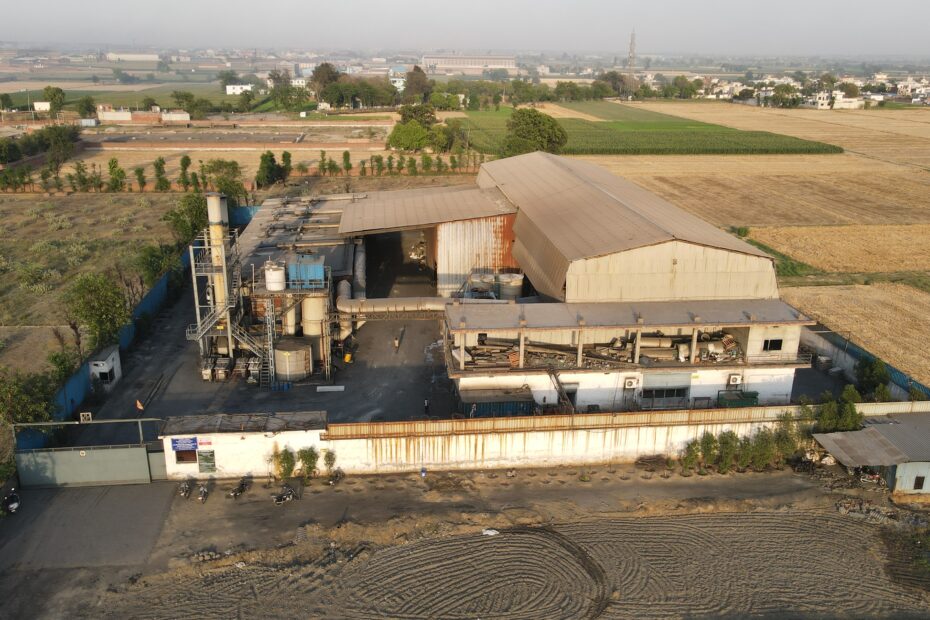
At R.P. Multimetals’ best zinc ingots manufacturer in India, this is exactly how our zinc ingots are produced. The induction furnace waste from our steelmaking operation material that would otherwise require hazardous waste disposal goes through our zinc recovery facility and comes out as high-purity zinc ingots at 5 MT per day. The approach reduces environmental liability, creates a commercial product from waste, and gives our zinc ingot customers a traceable, domestically produced source with certified purity.
Where Zinc Ingots Go — Applications by Sector
Galvanizing (>50% of global zinc use)
The single largest use of zinc globally. Hot-dip galvanizing works by immersing fabricated steel in a bath of molten zinc held at around 450°C. The zinc reacts with the steel surface to form a series of zinc-iron alloy layers, topped by a pure zinc outer layer. The result is a metallurgically bonded coating that protects the steel from corrosion for decades.
Every zinc ingot used in a galvanizing bath eventually becomes part of a steel product. Structural sections in buildings. Highway crash barriers. Transmission towers. Agricultural equipment. Solar mounting structures. The galvanizing industry is the reason zinc ingots exist in commercial quantities.
Die Casting
Zinc-based Zamak alloys (a family of zinc-aluminium-magnesium-copper alloys) are the second largest use of zinc ingots. Die casting forces molten Zamak into precision moulds under high pressure, producing complex-shaped parts with tight dimensional tolerances things like automotive door handles, lock bodies, carburettor housings, electrical connectors, and furniture hardware.
Zamak requires SHG zinc as its base. The aluminium content (4% for Zamak 3, the most common grade) is carefully controlled. So are trace impurities. A die casting house that uses substandard zinc will see casting defects and dimensional instability in finished parts.
Brass and Bronze Manufacturing
Brass is copper-zinc alloy. The zinc content varies from around 5% (gilding metal) to 45% (high-zinc brasses used in complex press-formed shapes). Zinc hardens copper, improves its machinability, and changes its colour from red-gold toward yellow. Every piece of brass plumbing fittings, electrical terminals, musical instruments, valve bodies, decorative hardware started as a combination of copper and zinc ingots.
Zinc Oxide Production
Zinc oxide (ZnO) is produced by melting zinc ingots and oxidising the vapour. The resulting white powder goes into rubber vulcanisation (where it acts as an activator for the sulphur crosslinking reaction), sunscreen formulations, ceramic glazes, pharmaceutical creams, and paint pigments. The rubber industry alone accounts for a significant portion of zinc oxide demand in India, where tyre manufacturing is a major sector.
Battery Anodes
Alkaline batteries use zinc as the anode material. Zinc-air batteries used in hearing aids and increasingly in grid-scale energy storage use zinc’s electrochemical properties (standard electrode potential of −0.76V) to generate current through a reaction with atmospheric oxygen. As battery technology scales, demand for high-purity zinc for battery applications is growing.
Zinc Ingots in India — The Market Context
India consumed approximately 700,000–750,000 tonnes of zinc in recent years, making it the world’s fourth largest zinc consumer after China, the US, and South Korea. Construction and infrastructure the galvanizing demand driven by structural steel accounts for the largest share of that consumption.
Domestically, Hindustan Zinc Limited (a Vedanta Group company, operating the Rampura Agucha mine in Rajasthan one of the world’s largest zinc-lead mines) produces the majority of India’s primary zinc. Their output covers a significant portion of domestic demand, with imports supplementing supply from Australia, Peru, and other producing nations.
Secondary zinc from EAF dust recovery is a growing segment. India has a large and expanding steel industry based substantially on scrap-fed electric arc furnaces. The EAF dust generated by those furnaces is a zinc-rich feedstock that, until recently, was largely managed as hazardous waste rather than recovered as a commercial zinc product. That is changing as domestic zinc recovery operations come online.
For buyers in India, the practical sourcing question often comes down to: primary zinc from large producers at spot price linked to LME (London Metal Exchange), or secondary zinc from domestic recovery operations at competitive pricing with faster delivery and traceable domestic documentation.
Zinc Ingot Storage and Handling
A few practical points that first-time buyers often don’t ask about until they’ve already had a problem:
Zinc reacts with acids and with moisture in the presence of CO₂ to form zinc carbonate (a white powdery deposit called white rust or wet storage stain). Ingots stored in wet conditions, or stacked without ventilation, develop this surface deposit. It doesn’t affect the bulk zinc you’re not losing material but it affects appearance and can matter for applications where ingot surface condition is inspected.
Store zinc ingots in dry, ventilated conditions. Don’t stack them on bare concrete floors without dunnage condensation from the concrete is enough to initiate white rusting on the contact faces.
Zinc is incompatible with cadmium, lead (at high concentrations), and tin in certain alloying contexts. If you’re operating a galvanizing bath and your supplier switches zinc grades without informing you, the bath chemistry changes. The consequences range from minor (slightly different spangle pattern) to serious (contamination that requires draining the bath). Establish grade consistency with your supplier.
Frequently Asked Questions
What is the difference between SHG and PWG zinc ingots?
SHG (Special High Grade) is 99.99% pure zinc the highest commercial purity. PWG (Prime Western Grade) is 98.5% pure and contains higher levels of impurities, particularly lead and iron. SHG is required for die casting (Zamak alloys) and pharmaceutical-grade zinc oxide. PWG is sufficient for batch galvanizing of structural steel and is typically priced lower. Using PWG where SHG is specified in a die casting operation, for example causes intergranular corrosion in finished castings.
What purity of zinc ingot is required for galvanizing?
It depends on the type of galvanizing. Continuous galvanizing lines (for automotive sheet and coil) require CGG or HG (99.95%+) with controlled aluminium content. Batch galvanizing of structural fabrication (beams, angles, hollow sections) typically uses PWG (98.5%), where the small lead content in the bath actually improves zinc drainage from the work piece. Using high-grade zinc in a batch galvanizing bath doesn’t improve coating quality it just increases your zinc cost.
What is IS 209, and why does it matter for buying zinc ingots in India?
IS 209 is the Bureau of Indian Standards specification for zinc ingots. It defines four grades Z99.99, Z99.95, Z99.5, and Z98.5 with chemical composition limits for zinc purity and allowable impurities (lead, cadmium, iron, tin, copper, aluminium). Specifying IS 209 on a purchase order gives you a legal basis for rejection if the material delivered doesn’t meet the stated grade. Without a standard reference, you’re relying entirely on the supplier’s word for what you’ve received.
How are secondary zinc ingots different from primary zinc ingots?
Primary zinc ingots are produced from zinc ore through mining and hydrometallurgical processing. Secondary zinc ingots are produced by recovering zinc from recycled sources primarily EAF furnace dust from steel manufacturing, and zinc-bearing scrap like galvanized steel. Secondary zinc typically reaches 99% to 99.5% purity through hydrometallurgical recovery, which makes it suitable for most galvanizing and general industrial applications. SHG (99.99%) is predominantly produced from primary zinc, though some secondary operations achieve this purity with additional refining.
What is the standard weight of a zinc ingot?
Most commercial zinc ingots weigh between 20 and 25 kg per piece. This is not a formal specification it’s an industry convention driven by manual handling limits (a single ingot can be loaded and unloaded by one person). Some producers cast larger slab ingots for industrial consumers with mechanised handling. Confirm ingot weight with your supplier if your receiving process has specific weight requirements.
Can zinc ingots be used directly in a galvanizing bath, or do they need processing?
Zinc ingots are loaded directly into the galvanizing bath (a steel kettle of molten zinc) and melted. No further processing is required. The galvanizer monitors bath temperature (typically 445–455°C for batch galvanizing) and chemical composition. Additions like aluminium or lead may be made to adjust bath chemistry, but the zinc ingot itself is the primary feedstock and goes in as-received.
R.P. Multimetals produces zinc ingots at 99% and 99.5% purity from recycled induction furnace waste — 5 MT daily output, certified quality, domestic supply. View our zinc ingots →